

Welcome toGoals in Therapy
Working with goals and the Goal-Based Outcome (GBO) tool
The Goal-Based Outcome (GBO) Tool
The Goal-Based Outcome (GBO) tool is one of the most widely used outcome measure across mental health services in the UK and around the world. It is currently translated into 13 different languages and more are in the pipeline.
The primary purpose of working with goals is to engage and understand what someone wants to be different in their life. Working with goals in therapy is a collaborative process, best done within a shared decision-making framework. If we listen well to our clients, their goals emerge from the stories they tell us about their lives, their difficulties, and things they would like to be different. Listening to these stories is part of what we all do in good, everyday therapeutic or clinical conversations. Using the GBO is a small step beyond usual clinical practice where, once the goals have emerged from conversation, we might help the client shape them, agree them together, and write them down to check we have both understood them. Once agreed we can be curious about where the client feels they are at in their journey towards making the changes in their lives that are important to them.
The Goal-Based Outcomes (GBO) tool is a simple and effective method to track and measure progress and outcomes of an intervention. It is one of the most widely used tools across mental health settings. The GBO grew out of mental health and can be used in any setting that is change-focused and goal-oriented, including physical health, high performance environments and sport.
The GBO is one of the simplest tools to use for professionals and easy to understand by most clients. Even so, there are resources available to improve its accessibility further see the aGBO project and the GBO-A resources.
The GBO tool tracks what is arguably the most important thing to measure in any intervention: “Is this helping you make progress towards the things that you really want help with?”

Working with Goals
Recent evidence suggests that working with goals in counselling and psychotherapy can support positive therapeutic change. Goals can empower clients and give them hope, helping them feel that they have the capacity to act towards achieving their desired futures. Goals can help focus and direct clients’ and therapists’ attention, building a better therapeutic alliance.
Through negotiating and setting goals, clients can develop a deeper insight into what it is they really want in life, a crucial first step towards being able to get there.

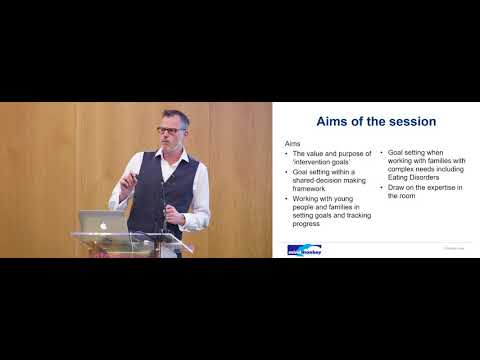






In this Video Dr Sue Knowles from Changing Minds Child and Family Services asks Prof Duncan Law about common issues when working with goals.
In this Video Dr Sue Knowles from Changing Minds Child and Family Services asks Prof Duncan Law about common issues when working with goals.